
• 7 Comfort Items to Help You Deal with Migraines

    7 Comfort Items That Can Help With Migraine or Any Chronic Illness

    iStock

    When things in our lives don’t go the way we want them to, we turn to whatever comforts us. Everyone has that one thing that always seems to make things better, even if just for a little while. Those of us who live with migraine and chronic illness rely on our comfort items. So many days are spent in pain, or fatigued, or in the throes of depression or anxiety. What helps to distract us from the discomfort and anguish become staples in our survival kits.

    Comfort items can be anything that you enjoy and brings a smile to your face. They are basically distractions from painful migraine symptoms or whatever is ailing us at the moment. The list is endless. There are some very interesting and amazing ways people comfort themselves during a difficult time. They range from the simplest item to very intricate and detailed hobbies. These are a few that my chronic pain pals use in their time of need.

    1. Puppy love

    Animals are the most loving creatures. Our pets are like our children. They always give unconditional love, are extremely forgiving, and don’t fault us for our flaws or shortcomings. Pets are part of your family and provide an abundance of comfort to their human moms, dads, and siblings. Most can sense when you aren’t well. You may notice that your dog or cat stays with you all day, sitting or lying by you to keep you company. They may bring you their favorite toy because it makes them happy when they play with it and they want you to be happy too. Just holding your fur baby can bring a sense of calmness and peace. They are wonderfully healing creatures!

    2. Stuffed animals

    Whether it is from your childhood or gifted to you as an adult, stuffed animals hold a lot of significance. There is usually a specific emotion or memory attached to them which make them very special to their owners. They may remind you of a loved one or their smell may take you back to a time when things were better. Stuffed animals are the ultimate comfort item! They are great for snuggling and very easy to transport. Trips to the hospital or emergency room become more tolerable with that special friend in tow.

    3. Security blankets

    I have a scarf that I take everywhere with me. Since I was a baby, I would always smell my blanket for comfort. It calmed me down when I was cranky, tired, or hungry. As an adult, my scarf is now my comfort when I am depressed, anxious, in severe pain, or extremely fatigued. I love the smell of freshly washed clothes, so I make sure it smells super clean. It is practically attached to my hip. I grab my scarf and gently sniff it when I’m anxious, and it instantly relaxes me. I am not embarrassed or ashamed of my security blanket. It has helped me through some very difficult times in my life. So, if you have a favorite blanket, quilt, pillow, or piece of clothing that helps you cope, go for it!

    4. Hobbies

    Doing something you really love to do is a great way to bring joy into your life. Hobbies allow you to spend quality time with yourself and forget about being sick for a while. There is a sense of comfort and peace when you put your energy into something creative. Drawing, painting, creating mosaics, gardening, cooking, making pottery, sculpting, or playing an instrument are all wonderful and comforting ways to cope with a chronic illness. Remembering that you are more than someone who is sick is a huge comfort. We often get wrapped up in how our illness makes us feel, forgetting that we are very special and unique. A hobby creates a space for you to express yourself and show who you really are and helps you to not focus so much on your illness.

    5. Books

    A good book is a great distraction to have when living with a chronic illness. You can get swept away to some place new, leaving your reality behind for a few hours. Books bring adventure, mystery, romance, fantasy, and thrills to our lives. They are gateways to the imagination and are the perfect companion to have on our journeys with chronic illness. Whenever things get to be too stressful or overwhelming, it is super easy and convenient to pick up a book and get away. It’s the cheapest form of travel and the destinations are endless!

    6. Movies and television

    Just like books, movies and television series allow us to escape to somewhere else. Spending time with familiar characters helps us forget that we aren’t feeling well. With services like Amazon, Hulu and Netflix, binge-watching a series has never been easier. If you want to distract yourself for hours on end, this is a sure way to do it. And with a plethora of types of movies to choose from, you can escape to outer space, travel to a mystical land, delve into the mind of a sociopath, or root for the nerdy guy to get the girl in the end.

    7. Coloring

    Adult coloring books are super popular. Many are made specifically to help you relax, meditate, and bring calmness and peace. Coloring the intricate patterns is like listening to a guided meditation. You become focused on how you see the image in your mind and making it come to life on paper. Nothing else exists while this is happening. It is extremely healing and helps to clear the mind of negative and irrational thoughts. When it is complete, you will have a beautiful piece of art worthy of a frame. What a great memento showing how beautifully you cope with having a chronic illness!

  • Working From Home With Depression

    Working From Home With Depression: Tips for Success

    EDITOR

    iStock

    One of the most common symptoms of depression is fatigue, often accompanied by an overwhelming feeling of “I don’t want to do anything, at all, ever.” Couple these feelings with a remote work position, and it can be a recipe for disaster. But with the right strategies, you can power through dark days to maintain a good work ethic, even in a work-from-home environment that relies on skills like time management and being a self-starter that depression symptoms often sabotage.

    The number of people who work remotely has increased in recent years; a 2017 report found that 3.9 million employees in the United States work from home at least half of the time, an increase from 1.8 million in 2005. With about one in six adults experiencing depression at some point in their life, according to the Centers for Disease Control and Prevention, depression is a major concern the growing remote workforce will continue to face.

    As someone who works remotely full-time and has struggled with depression, I share my top tips to get through the rough periods below.

    Get out of the house

    Just because you work from home, that doesn’t mean you have to work from home. It may sound obvious, but if your depression is making it hard for you to ignore the will of your couch or bed, physically forcing yourself out of proximity of that option can help you stay on task with work. Why not get out of the house and go to a coffee shop? Sometimes, surrounding yourself with other people — many of whom are likely also working — can help you feel more productive.

    Working from home can be an isolating experience, so getting out into the real world and interacting with other humans face-to-face, even if that’s just ordering a cup of coffee and a bagel, can make a real difference in your attitude. If you need more motivation and can afford it, consider paying for a membership at a coworking space to surround yourself with other productive people on a regular basis.

    Finding an accountability buddy can also help. Many people work remotely these days, whether it be full-time or just once or twice a week. Ask around and find a friend who will meet up with you at a coffee shop or library regularly to do work together. For me, making plans in advance and feeling the pressure to stick to them and not let others down helps motivate me to get out of the house and get work done. And your friend will likely appreciate the company, too!

    Try to maintain a routine

    You wake up, grab your laptop from your bedside table, and log into your work email from the comfort of your bed. Sound familiar? Don’t worry — we’ve all been there. But we can do better.

    Find a routine that works for you. What may help is to stick to a similar schedule that you might have if you were actually commuting to and from an office every day. Set your alarm for the same time each morning; get up, shower, get dressed, and make coffee or tea. Do whatever you need to do to get your body on the same page as your work day — a physical push to let your body know that OK, I’m home, but I’m still in work mode.

    Even better: Try working out before you start your work day. Research shows that exercise can actually help treat depression. Find a form of physical activity that works for you. Motivate yourself best by purchasing a gym membership. Brisk walking around your neighborhood or following along with a yoga video on YouTube are other cost-free options to consider.


    Schedule downtime into your day

    In-office workers take breaks, and so should you as a remote worker. The trap comes when you let break time and work time bleed into each other with no real boundaries. Set yourself time limits — a half hour for lunch, a few five- or 10-minute breaks for coffee or a stretch. In my experience, getting outside for a walk around the block in the sunshine can work wonders.

    Giving yourself permission to do nothing in controlled increments can help you fight the urge to do nothing during your designated “work periods.”

    Using a timer app on your phone, or trying the Pomodoro technique of productivity, can help you enforce these rules.

    Seek treatment for your depression

    While working from home can be a great environment for some people with depression and other mental health problems, it can also make your depression symptoms worse at times. So my most important tip is to seek professional treatment for your condition to help improve your life overall. If you don’t address your mental health head-on, the rest of these tips will just act as short-term band-aids.

    If you haven’t tried cognitive behavioral therapy, that’s a great place to start. There are also a variety of medications you can try that can help with depression symptoms, such as SSRIs. In fact, a 2014 review in World Psychiatry found that combining psychotherapy with antidepressants is more effective in treating depression than antidepressants alone. If you’re consistently having trouble getting through the day and getting your work done, know that help is available — and you should seek it sooner rather than later.

    Listen to your gut

    Last, but not least, listen to your gut. If you’ve sought treatment and are still struggling with severe depression or other mental health issues, maybe a remote work position isn’t right for you in the long-term. If you feel comfortable, consider speaking with your employer; letting them know that you are struggling can help them adjust expectations when you are going through a particularly dark patch.

    You may also consider seeking new work that requires in-office time. Looking for a new job may sound like the last thing you want to do during a depressive episode, but getting back into a traditional in-office environment could be the motivation you need to help stay productive and ensure your livelihood.

    At its best, remote work can be a wonderful privilege that helps us create our own flexible environment to do our best work; but when you have depression, these benefits can sometimes become detrimental. When your mental health is affecting your work, these strategies can help you cope.

  • Do you make friends easily?

    7 Habits of People Who Make Friends Easily

    Korin Miller 2 days ago

    At this point in your life, you probably have a core group of friends that have seen you through the good times and the bad. But sometimes, you just want to branch out a little.

    Maybe you’re looking for a new buddy or two to do some activities that your other friends aren’t into. Maybe you moved to a new town and want to find some new friends in your area, or maybe you just want to expand your social circle a little. Whatever it is, making new friends as an adult can be… kind of hard.

    Of course, some people seem to make friends effortlessly, which is great for them. For the rest of us, it takes a little more work. With that in mind, we consulted several experts on the habits of people who make friends easily and collected a list of habits you should steal for yourself.

    They reach out instead of waiting for others to come to them

    Whether you’re at a party, waiting in a dressing room line or taking your kid to the playground, talking to the people around you guarantees you’ll at least have a conversation — which could lead to a friendship. “Reaching out to others is a necessary first step to making new friends,” Dr. William Chopik, a social-personality psychologist and assistant professor at Michigan State University, tells SheKnows. “Some of the most superficial relationships — which later grow into more meaningful ones — start with people sharing basic interests, hobbies, opinions or aspirations. You won’t know any of these things without first talking to people.”

    So, walk up to someone who looks interesting and start talking. You may be surprised where it leads.

    They stay off their phones in public

    Clearly, sometimes you’ve got to take a call or answer a text. But if you’re constantly using your phone as a social crutch, it sends a message to other people that you’re occupied, relationship psychologist Dr. Karin Anderson Abrell tells SheKnows “It tells everyone else in the room, ‘I don’t need to be here, and I have no interest in connecting with you people,’” she says.

    It’s also a good idea to keep your phone away when you’re having a conversation, Chopik says. “There have been a few studies on how annoyed and upset people get if you are on your phone while trying to engage in a conversation with them,” he says.

    They’re positive

    You’ve probably experienced this yourself: Talking to someone who is repeatedly negative is kind of a turn-off and makes you automatically feel like you have to cheer them up. “Being positive is just huge,” Anderson Abrell says. That doesn’t mean you have to be fake, but striving for a warm, friendly attitude — when talking to people and about yourself — can go a long way, she says.

    They’re good listeners

    “Everyone wants to be heard, to share their intimate information and to feel understood by another,” Dr. Gail Saltz, a psychiatrist and host of The Power of Different podcast, tells SheKnows. So ask questions and actually listen to the answers.

    “Just listen and then reflect back on what you heard and maybe even the emotion that you heard,” Anderson Abrell adds. “People end up feeling validated and heard.”

    They have an easy familiarity with people

    Sure, you want to be polite and respectful, but being friendly and warm right off the bat “creates an easy sense of familiarity,” Saltz tells SheKnows.

    Anderson Abrell concurs. Oftentimes, it can help put the other person at ease and help them feel more comfortable around you too, she notes. It can be as simple as wearing an easy smile, walking up to someone and saying, “Hey – how’s it going?”

    They try new things on their own

    This does a few things, Saltz says: It shows you’re confident (which people are drawn to), it shows you want to engage with people (since you’re not holed up in a corner with a friend), and it shows that you’re curious about things, which is appealing. You’re also just more likely to meet like-minded people you’ll click with when you hit up a workout class you’re interested in or art group, Anderson Abrell says.

    They smile a lot

    This is bigger than you think. Smiling and being genuine about it “has a contagion [effect] and makes the other person feel a little happier,” Saltz says. “That feels good to them and therefore makes them attracted to you.”


  • A 5 Minute Commitment = A Life-Hack Cure for Procrastination

    Chances are, you’re procrastinating on something today. Maybe you’re doing it by reading this article (great choice, by the way). Lucky for you, we’ve got one of the easiest tips for curing your procrastination right now, right here, courtesy of the founder of Instagram. Ready to get to work? Of course you are — you only need five minutes.
    Gimme Five

    If you think self-made billionaires don’t need help staying on track every once in a while, you’re wrong. Take Kevin Systrom, co-founder and former CEO of Instagram. In an interview with Mike Allen at Axios, Systrom shared his favorite — and face-palmingly simple — life hack: “If you don’t want to do something, make a deal with yourself to do at least five minutes of it. After five minutes, you’ll end up doing the whole thing.” That’s it. Just commit yourself to five minutes of whatever it is you’re trying to do.

    Ch-Ch-Ch-Changes

    According to Systrom, that five-minute commitment ends up turning into you just doing the damn thing. Maybe that seems oversimplified or unlikely, but it could just be that easy. Think of that oft-repeated phrase: Getting started is the hardest part. Because humans are creatures of habit (40 percent of your life is just on autopilot, for goodness sake), change is uncomfortable, scary, and undesirable. Change is hard, says another one of those ubiquitous quotes. Your fear of failure can never come true if you never change, right?

    According to a 2010 study, people prefer things that have been around for a long time. In one instance, participants who were told that acupuncture had been around for 2,000 years expressed more favorable attitudes toward it than those who were told it existed for 250 years. In our tiny little human brains, longevity equals goodness. Change is the antithesis of longevity. Whether that be on a large scale, or just the day-to-day switching from task to task, change is a mental hurdle.

    Once you’re over that little hump and get yourself going, you’ll be golden. Objects in motion tend to stay in motion, after all.

  • Use the Memory Palace Technique to Remember Basically Everything
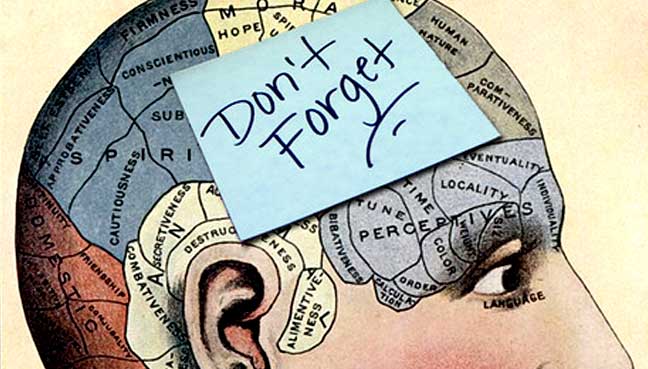
    Do you ever get the feeling that there’s something important that you’re forgetting? Maybe it’s the name of your new coworker, or directions to the pet store, or, hypothetically, the subject of your next article at the curiosity-fueling publication you work for. Hmm … oh, that’s right! The memory palace, a time-honored technique for remembering a truly astonishing amount of stuff. Step into the foyer and we’ll show you around.

    Sherlock Memory-Homes

    If you were to give your memory a physical shape, what would it be? Is your memory like a filing cabinet with everything you’ve ever seen carefully organized and cross-filed for easy access? Or is it more like a slightly leaky bucket — you can hold on to a memory for a little while, but unless you keep replenishing it, it will eventually fade away? Don’t be embarrassed if you’re more the latter than the former. Most of us are. And in fact, it’s pretty interesting to see exactly how those memories fade away, get misplaced, or are transformed by time.

    7 Leaks in Your Memory Bucket

    As you might have seen on the show “Sherlock,” there’s a different way to think about your memory that could give yourself a permanent boost. The memory palace (or mind palace, or method of loci) is a mnemonic device that transforms a physical location into an easy-to-navigate mental storehouse. Now, Benedict Cumberbatch certainly didn’t invent the technique, and neither did Sir Arthur Conan Doyle. In fact, the original character of Holmes didn’t even have a particularly good memory. In “Study in Scarlet,” the first Holmes story, he even forgot that the Earth revolved around the sun. No, the memory palace goes all the way back to ancient Greece.

    A Dinner Party to Remember

    In a fairly dark account told by the legendary Roman statesman Cicero, this method was devised by the Greek poet Simonides after a dinner party that went pretty much as badly as possible. First of all, the wealthy host insulted Simonides’ poem. And as if that weren’t bad enough, the party ended when the roof collapsed and crushed every single guest beyond recognition — except for Simonides, who had been mysteriously called away before it happened. Fortunately, he was able to help. By remembering where each of the guests were sitting, he could reunite the guests’ remains with their mourning families. He realized that he could use a similar spatial method to remember less morbid information as well.

    Welcome to Castle Cognition

    In “Sherlock,” the mind palace takes the form of an imaginary estate that doesn’t quite make spatial sense. Holmes only uses it to keep memories safe; it doesn’t need to actually function as a home. This isn’t how you should build your own memory palace. It’s actually pretty important that the place you choose isn’t just a real one; it’s also one that you’re intimately familiar with. Your own house, your office, or even the route you drive to work are all great choices for this. Made your choice? Here’s how it works.

    Let’s say that you have a huge list of errands you need to run today, and you’re worried you’ll forget one of them. You need to go grocery shopping, pick up the dry cleaning, get an oil change, find a birthday present, and take the cat to the vet. Sure, you could make a list, but why waste the paper?

    Instead, think very carefully about the layout of your house. Imagine coming home and walking up the steps to the front door. As you pull out your keys, you notice a pair of grocery bags playing around on your front lawn, pushing each other in the swingset (the more outlandish you envision something, the more likely it is you will remember it). You enter the house and stand in the vestibule, where you’re suddenly swarmed by a flock of freshly pressed dress suits. Pushing past them, you walk into your living room, where your car is relaxing in a kiddie pool full of black oil. As you pass the bathroom, you hear strains of “Happy Birthday” being played, and you peek inside to discover somebody has replaced your shower curtain with wrapping paper. Finally, you make it to your kitchen in the back of the house. There’s your cat, sitting at the table with a thermometer in its mouth. “I really don’t feel great,” it says to you.

    The point is, you know the layout of your house, and you don’t have to think very hard to imagine getting around it. That makes it easy to envision major changes that will stick in your mind. It’s not just a list; it’s a list livened up with exotic details and grounded in firm reality. The combination makes it easy to add more items and more details as necessary, too. For example, you could actually enter the bathroom in your mind palace for more details about the birthday present — perhaps you add a tiny dinosaur fighting Luke Skywalker on the toilet paper to remind yourself of your daughter’s two biggest fandoms, and leave a pile of socks soaking in the shower to remind you what not to get her. While it might seem convoluted, memory palaces work. We have to wonder if that’s how Cumberbatch memorized his lines.

    We haven’t even scratched the surface of your remembering capabilities. Pick up Kevin Horsley’s “Unlimited Memory” (free when you’re trying Audible for the first time) and find out more